Check your device
Use a device obtained through a trusted channel. Inspect packaging and follow the genuine device checks shown in the official setup flow.
A clear, practical walkthrough for setting up a Trezor hardware wallet, protecting your recovery backup, and making your first transaction with care.
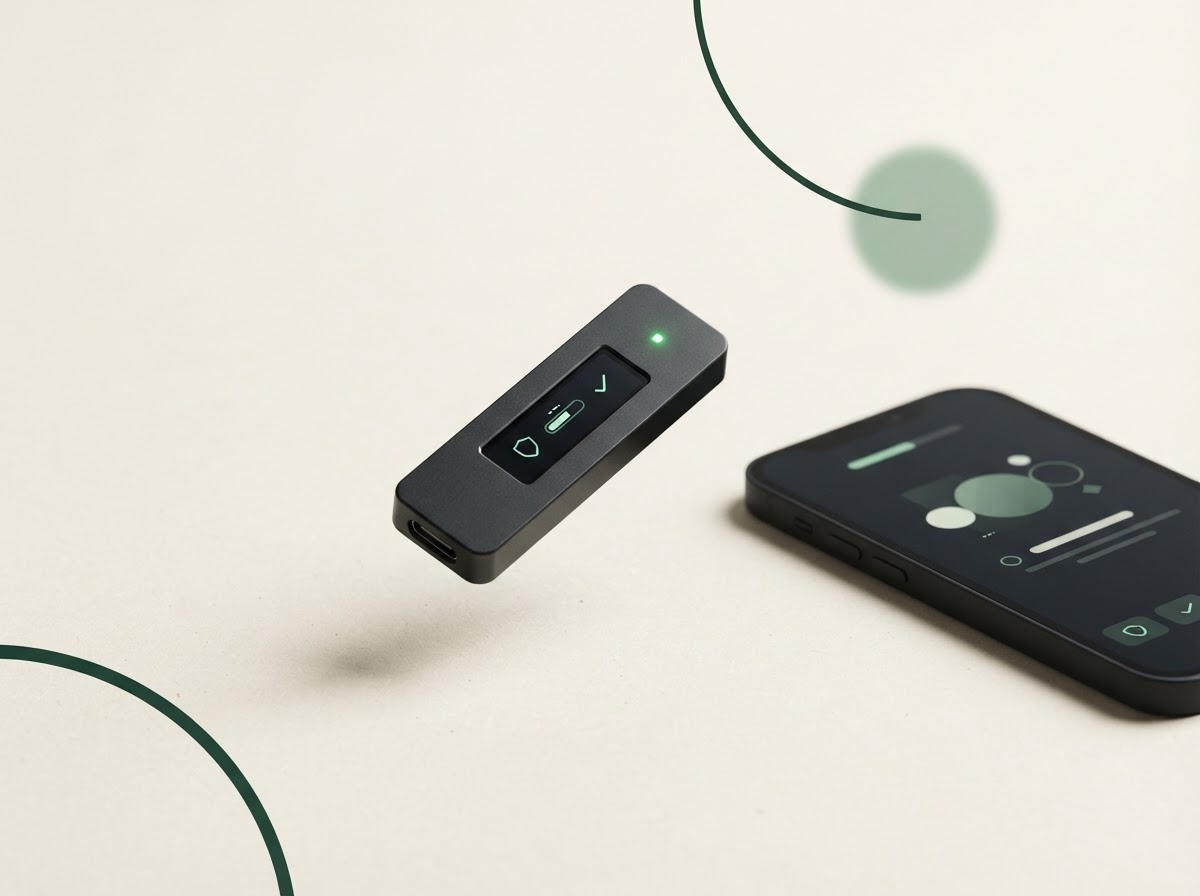
Take a few minutes to prepare. Careful setup starts with the device, software, and environment you choose—not with rushing through prompts.
Use a device obtained through a trusted channel. Inspect packaging and follow the genuine device checks shown in the official setup flow.
Type the official address carefully or use verified documentation. Avoid sponsored search results, unsolicited links, and lookalike domains.
Choose a private place where you can write down recovery words without interruption. Never capture them in a photo or cloud note.
Exact screens can differ by device model and software version. Follow the on-screen prompts and the current instructions from the manufacturer.
Visit Trezor's official start page ↗Connect your wallet and open the official companion software through the verified setup route. Confirm the device authenticity checks pass before continuing.
Follow the prompts for firmware installation or updates. Keep the connection stable and do not unplug the device while an update is in progress.
Select the option to create a wallet if this is a new setup. A restore flow is only for recovering a wallet you already own and have a valid backup for.
Record each word in the exact order on the supplied or another durable offline backup. Complete the device's confirmation exercise to check your record.
Choose a PIN that is hard to guess and not reused. Review receive addresses on the device screen itself before sharing or using them.
Your hardware wallet protects the keys used to authorize actions; account balances and transaction details are viewed through compatible wallet software. Add only the accounts and networks you intend to use, and double-check that an asset and network match before receiving or sending.
Keep the companion app and device firmware current using verified update prompts. If you manage multiple accounts, give them clear names for your own reference and keep a separate, secure record of any important account organization details—never your recovery words.
Features vary by device, software, asset, and region. Check current official documentation before relying on any specific option.
Review important transaction information on your hardware wallet's own display before authorizing. Treat the device screen as the trusted confirmation point.
Depending on supported assets and compatible apps, one device can help you manage different accounts. Confirm support and network details first.
Advanced recovery or backup options may be available on some configurations. Understand their tradeoffs using official guidance before enabling them.
Keep the backup offline, physically protected, and accessible to you. Consider the risks of fire, water, theft, and unauthorized access when choosing where it lives. Do not store a digital copy beside the wallet or in a password manager unless you fully understand the added exposure.
Use bookmarks for trusted resources, verify web addresses character by character, and keep your operating system protected. Never act on unsolicited support messages. For higher-value holdings, consider getting independent advice on a backup and inheritance plan that fits your situation.
If the device is not detected, try a known data-capable cable, a different USB port, and a current browser or supported app. Close other wallet software that may be using the connection, then reconnect and follow official guidance.
If an update seems stalled, do not disconnect immediately. Check the instructions for your particular model and consult the official help center using a verified address. Never follow recovery advice from a stranger or enter your seed into a computer to “fix” a connection.
Open official support resources ↗General education only. Product behavior can change; use the official manual for device-specific details.
No. ClearKey Guides is an independent informational resource and is not affiliated with, endorsed by, or operated by Trezor. Always verify the official website address before connecting a device or following instructions.
Use a restore or recovery flow only if you are intentionally restoring a wallet you control. Follow official device instructions, check the words privately, and never provide them to another person or ordinary website. If you are unsure whether the backup is genuine or complete, pause and seek verified support.
A photo, screenshot, cloud note, or messaging draft creates a digital copy that may be exposed to malware, account compromise, or backups you do not control. Prefer a secure offline record and protect it from physical damage and unauthorized access.
First confirm the asset and network are supported. For receiving, verify the address on the device display. For sending, check the destination, amount, and fee on the device before approval. Transfers may be irreversible; consider a small test transfer where appropriate.
No tool can eliminate every risk. Device security helps protect private keys, but phishing, compromised computers, user error, backup exposure, and market risks remain. Maintain safe habits and never invest more than you can afford to lose.
Use verified documentation for model-specific instructions and current software details.